Assess
Flow studies, ultrasound, urine culture and flexible cystoscopy help confirm whether iTind is a reasonable option for your prostate size and anatomy.
Temporary implantable nitinol device
iTind is a small, temporary nitinol device that gently reshapes the prostatic urethra to improve urine flow. It is placed via cystoscope, sits in the prostate for 5 to 7 days, and is then removed. No permanent implant stays behind, and the procedure is typically performed as day surgery.
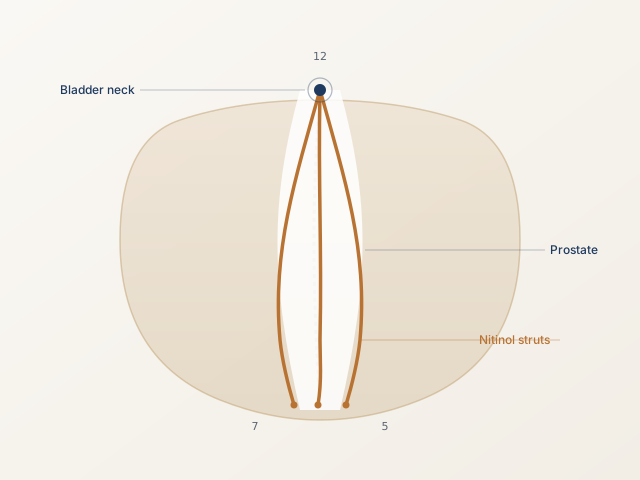
The iTind device uses a nickel-titanium shape-memory wire to create three channels in the prostatic urethra at the 5, 7 and 12 o'clock positions, widening the path for urine to flow. It is a different approach from treatments that remove tissue or place a permanent implant.1
The device reshapes the prostatic urethra without resecting, vaporising or heating tissue. Nothing is implanted permanently.
Published studies report preservation of sexual and ejaculatory function after iTind in treated patients.2, 3, 4
In Australia the procedure is usually performed in a day-surgery unit. Device removal after 5-7 days is typically done under light sedation.
Short introductory video recorded for patients. Video will play in place once you click.
Flow studies, ultrasound, urine culture and flexible cystoscopy help confirm whether iTind is a reasonable option for your prostate size and anatomy.
In a day-surgery unit, the device is placed via cystoscope and anchored just below the bladder neck.
Over 5 to 7 days the nitinol struts expand to widen three channels in the prostatic urethra.
The device is pulled out through a sheath under light sedation. No permanent implant remains in the body.
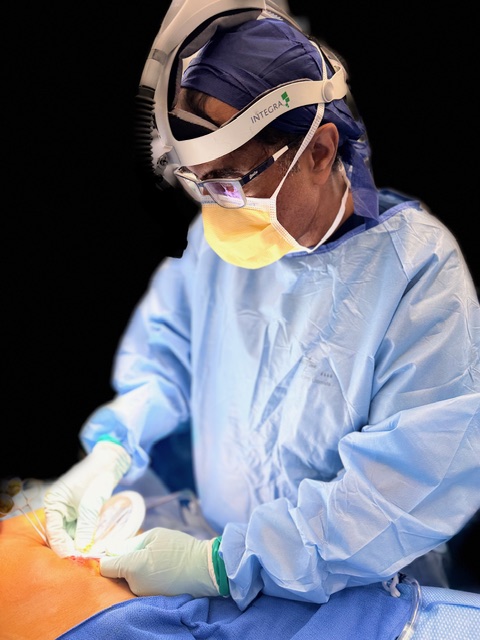
Dr Kooner is a senior Sydney urologist and was one of the first urologists in Australia to perform the iTind procedure. He has been implanting iTind since September 2022 and is recognised by the device manufacturer as a proctor in the Asia-Pacific region.
Clinical care, referrals and the wider range of urological services are provided through Urology NSW. A full curriculum vitae, publications list and media record are on rajikooner.com.au.
Downloadable PDFs from the device manufacturer, plus a written version of the explainer video.
Suite 1303, Level 13
St Vincent's Private Hospital
406 Victoria Street
Darlinghurst NSW 2010
Suite 1.12, Level 1
3-9 Gillies Street
North Sydney NSW 2060
Suite 9, 70 Bowral Street
Bowral NSW 2576
You can ask for a second opinion on your urinary symptoms, flow studies and treatment options before committing to a plan.