Insertion
The device is loaded in its compressed shape and passed through a flexible cystoscope into the prostatic urethra. It is positioned so that the upper end anchors just below the bladder neck.
iTind is a short, staged procedure. The device is placed on one day, left in the prostate for 5 to 7 days, and then removed in a second short visit. Below is the sequence that most patients follow.
The device is loaded in its compressed shape and passed through a flexible cystoscope into the prostatic urethra. It is positioned so that the upper end anchors just below the bladder neck.
Over 5 to 7 days the three nitinol struts gradually expand to their pre-set shape. This opens three channels at approximately the 5, 7 and 12 o'clock positions in the prostatic urethra.
A thin sheath is passed over the device through the urethra. A snare captures the device and draws it back into the sheath so it can be withdrawn gently through the urethra.
Once removed, there is no implant left behind. Most men return home the same day of removal. Your urologist will arrange follow-up to review your flow and symptoms.
Both the insertion and the removal are generally performed under light sedation in a day-surgery unit. An anaesthetist reviews you before the procedure and discusses the anaesthetic plan and any medication considerations. General anaesthesia can be used when that is more appropriate for the individual patient.
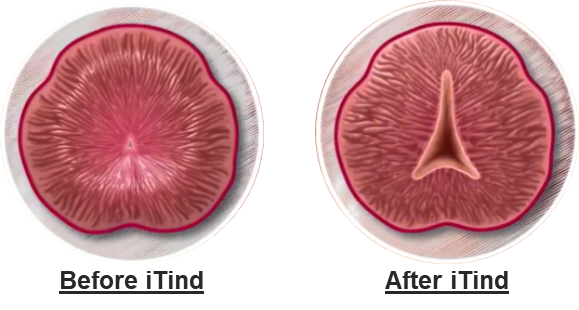
During this period you are at home, not in hospital. Some men notice a sensation of the device in the bladder area, mild discomfort with urination and occasional blood-tinged urine. Your treating team will provide antispasmodic medication and analgesia as needed and advise on fluid intake, activity, and when to contact the rooms.
Device removal is planned at the end of the wear period. A thin sheath is passed over the device in the urethra; once the device is drawn into the sheath it collapses and reverts towards its original shape, and the assembly is withdrawn. Removal is usually quick and performed in an outpatient or day-surgery setting under light sedation.
Most men return to normal activities in the days that follow removal, with specific advice from the treating team about driving, heavy lifting and return to work. Your urologist will review your urinary symptoms, flow and any side effects at follow-up visits.
You can ask for a second opinion on your urinary symptoms, flow studies and treatment options before committing to a plan.