What is iTind?
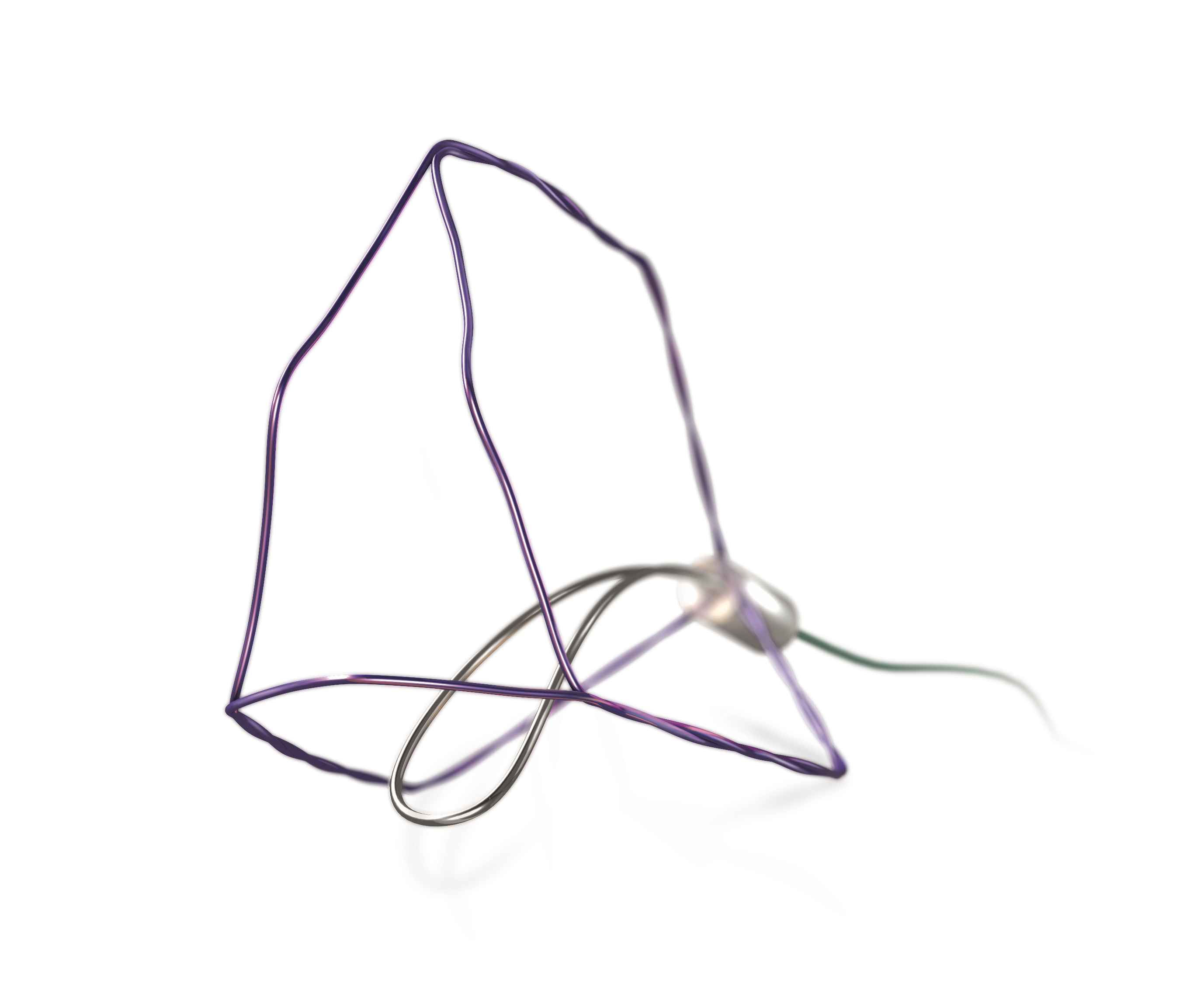
iTind stands for "temporary implantable nitinol device". It is a small, self-expanding device used to treat the urinary symptoms of an enlarged prostate (benign prostatic hyperplasia, or BPH) without cutting or burning tissue and without leaving a permanent implant behind.
The device
The iTind is built from nitinol, a nickel-titanium alloy with a useful property: it has a "shape memory". At body temperature it springs back to a pre-set, slightly expanded shape. This makes nitinol a common choice for endoscopic and vascular devices, because a compressed form can be deployed through a narrow tube and then relax into a useful shape once it is inside.1
What iTind does in the prostate
In benign prostatic hyperplasia (BPH) the prostate gland enlarges and compresses the urethra running through it. That compression is a major cause of urinary symptoms such as a weak flow, hesitancy, frequency and waking at night to pass urine.
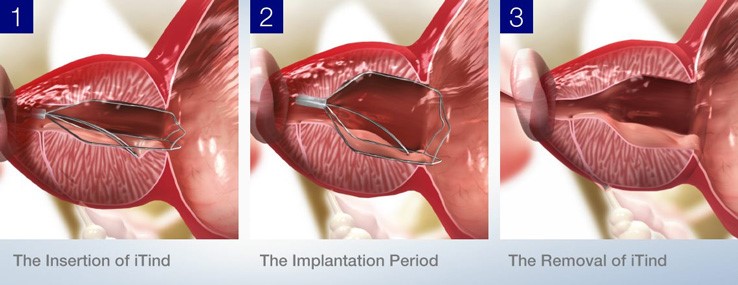
Once deployed, iTind sits inside the prostatic urethra, anchored just below the bladder neck. Over several days the nitinol struts expand outward and gently reshape the surrounding tissue, creating three wider channels at roughly the 5, 7 and 12 o'clock positions.1
Why temporary?
Unlike some other BPH procedures, iTind does not stay in the body. After 5 to 7 days it is removed in a short second visit, usually under light sedation. Once it is out, there is no implant left in the prostate. This is one of the design features that separates iTind from implant-based BPH treatments.
What iTind is not
- Not a resection. Tissue is not cut away, as it would be with a transurethral resection of the prostate (TURP).
- Not laser vaporisation. Tissue is not heated or vaporised, as it is with Holmium or GreenLight laser procedures.
- Not a permanent implant. Nothing is left inside the prostate after the device is removed.
- Not an injection. No substance is injected into the prostate.
What the evidence shows
Peer-reviewed studies report that iTind improves urinary symptoms and flow while preserving sexual and ejaculatory function in treated patients.2, 3, 4 See Evidence for the full reference list and a plain-English summary.